Start with the individual
Expert recommendations emphasize tailoring treatment to16:
- Patient preferences, goals, and behaviors
- Socioeconomic and cultural contexts
- of treatment response and tolerability
- Expectations for long-term care


For many people living with obesity or overweight, GLP-1-based* treatments have created new possibilities, bringing weight management goals within closer reach.1
While treatment for this chronic condition begins in the clinic, much of the patient experience happens beyond it. Between visits, some patients continue moving forward with treatment, while others begin to struggle or drop off entirely.2
*GLP-1-based treatments include GLP-1 receptor agonists alone or in combination with other incretin mimetics.
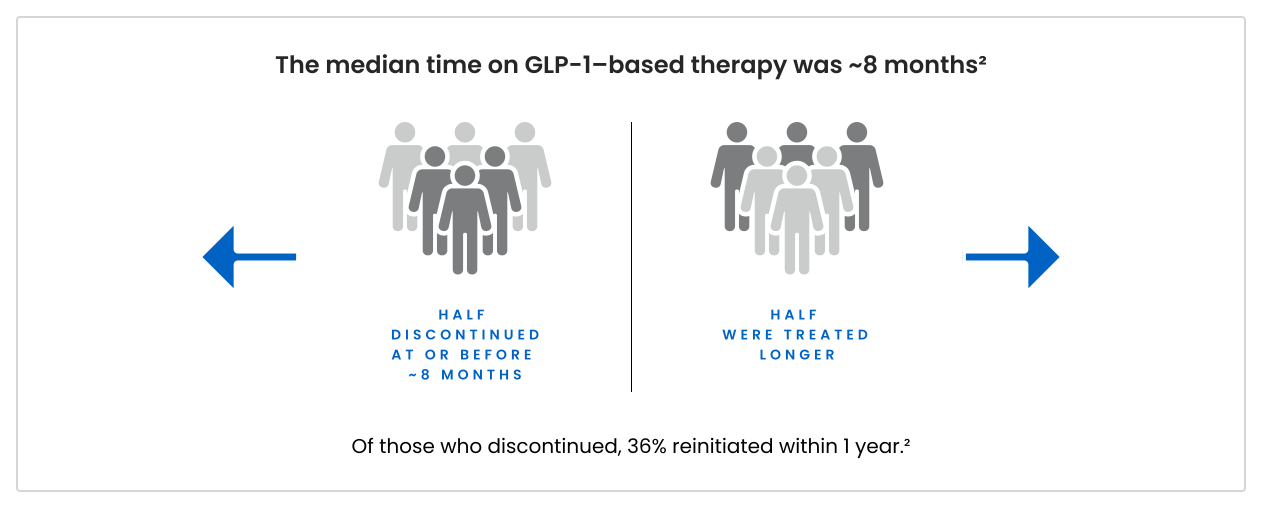
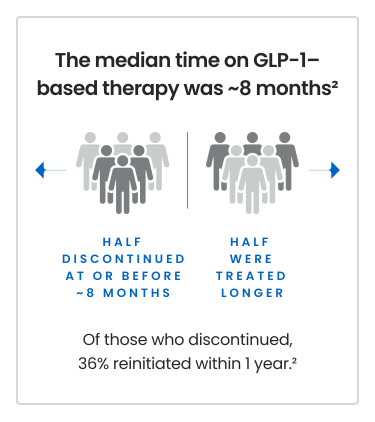
A study including 48,950 US adults with overweight or obesity showed that2,†:
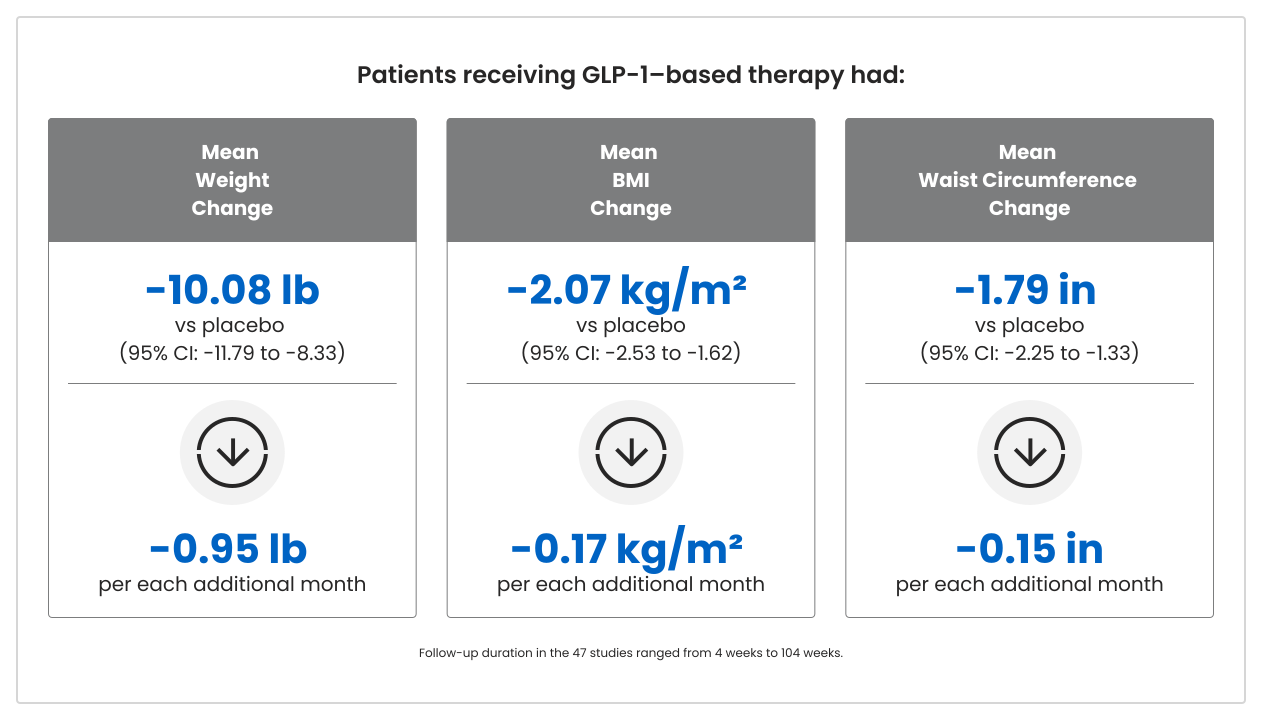
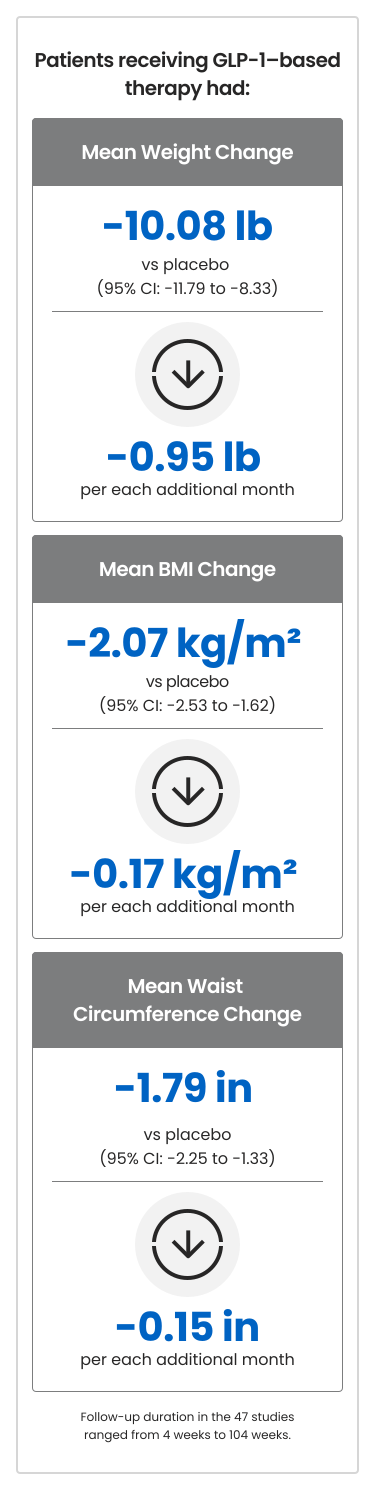
Based on a meta-analysis of 47 randomized controlled trials of 23,244 patients with overweight or obesity with or without diabetes3,‡:
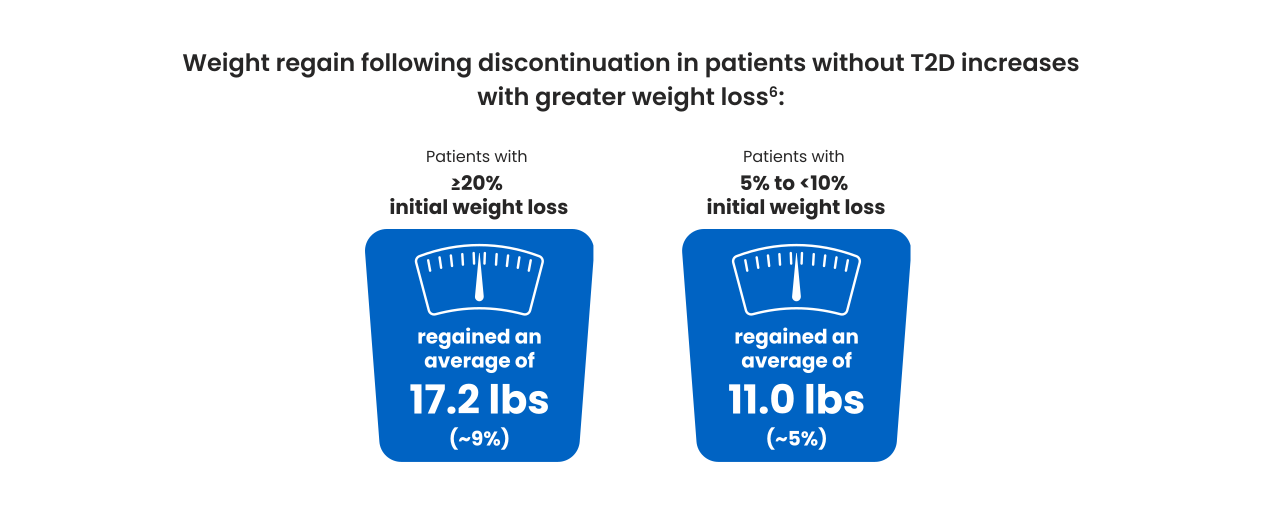
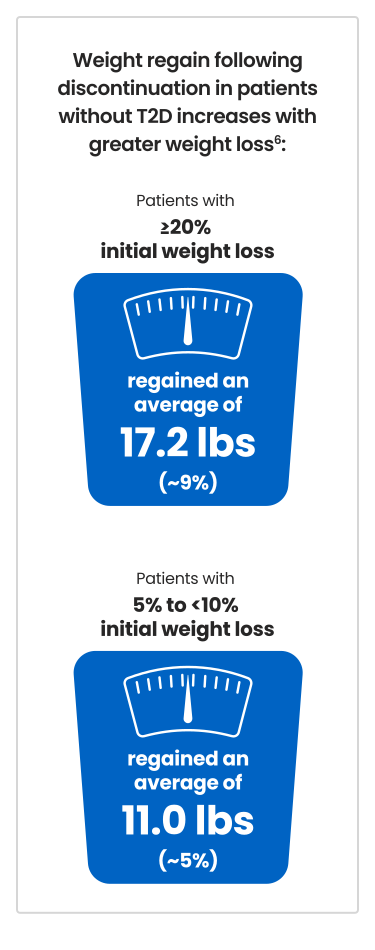
Results from an EHR claims data study showed that6,§:
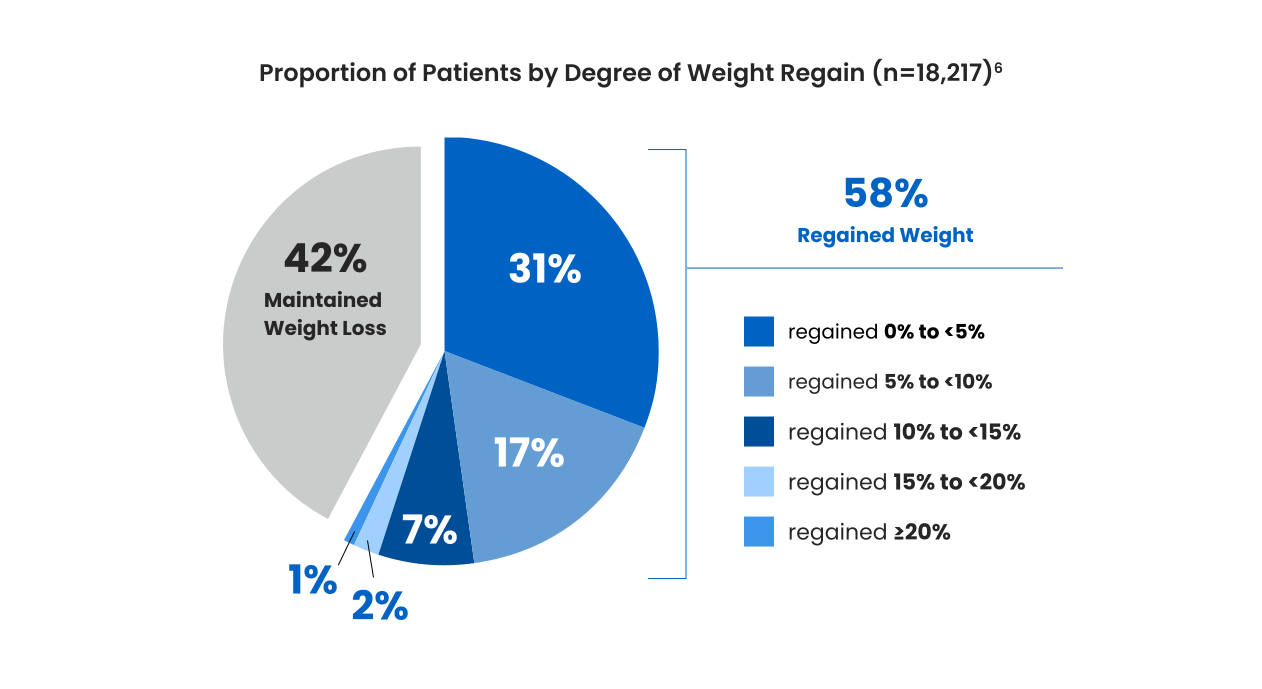
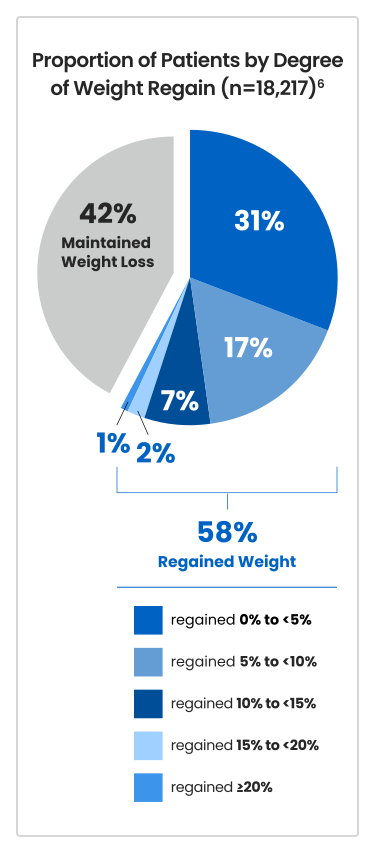
Greater weight loss can raise the stakes of sustaining it6
A systematic review and meta-analysis showed that following discontinuation of weight management medications1,**:
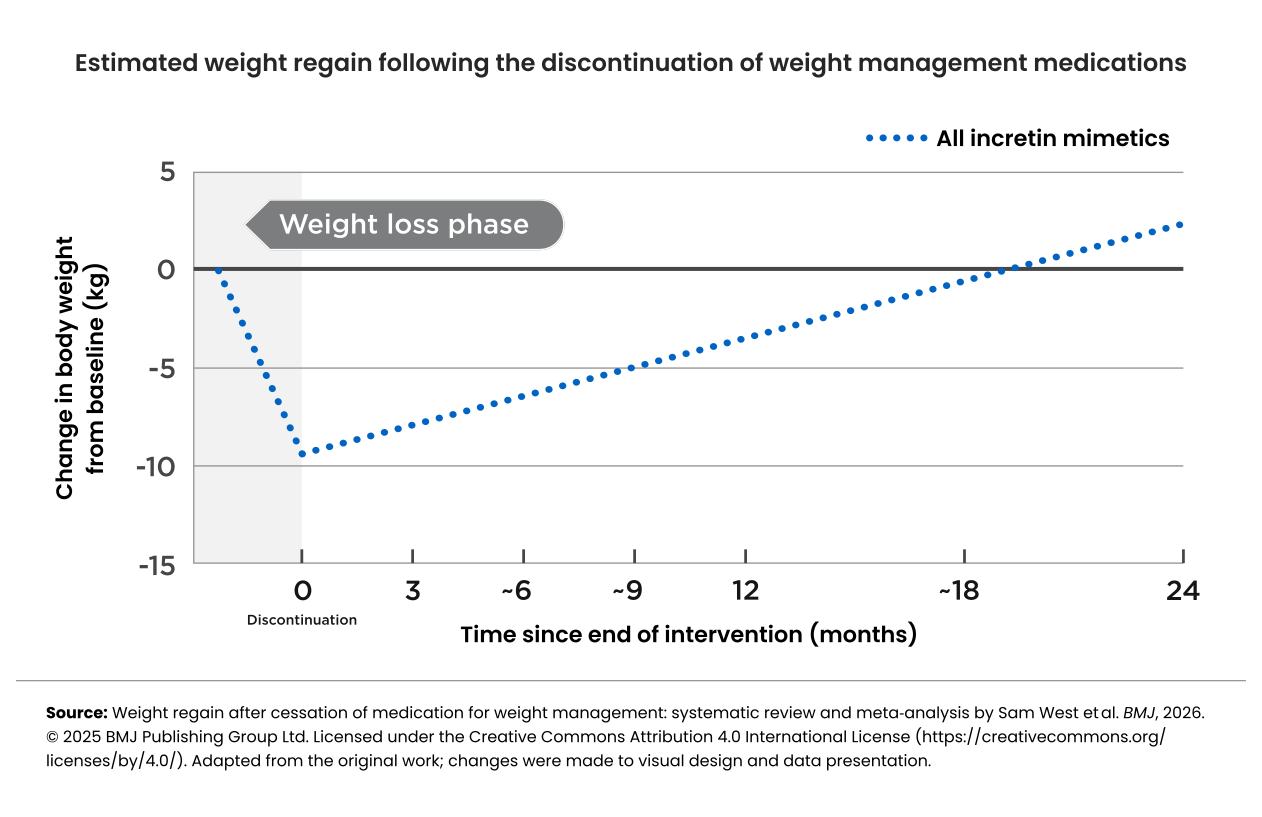
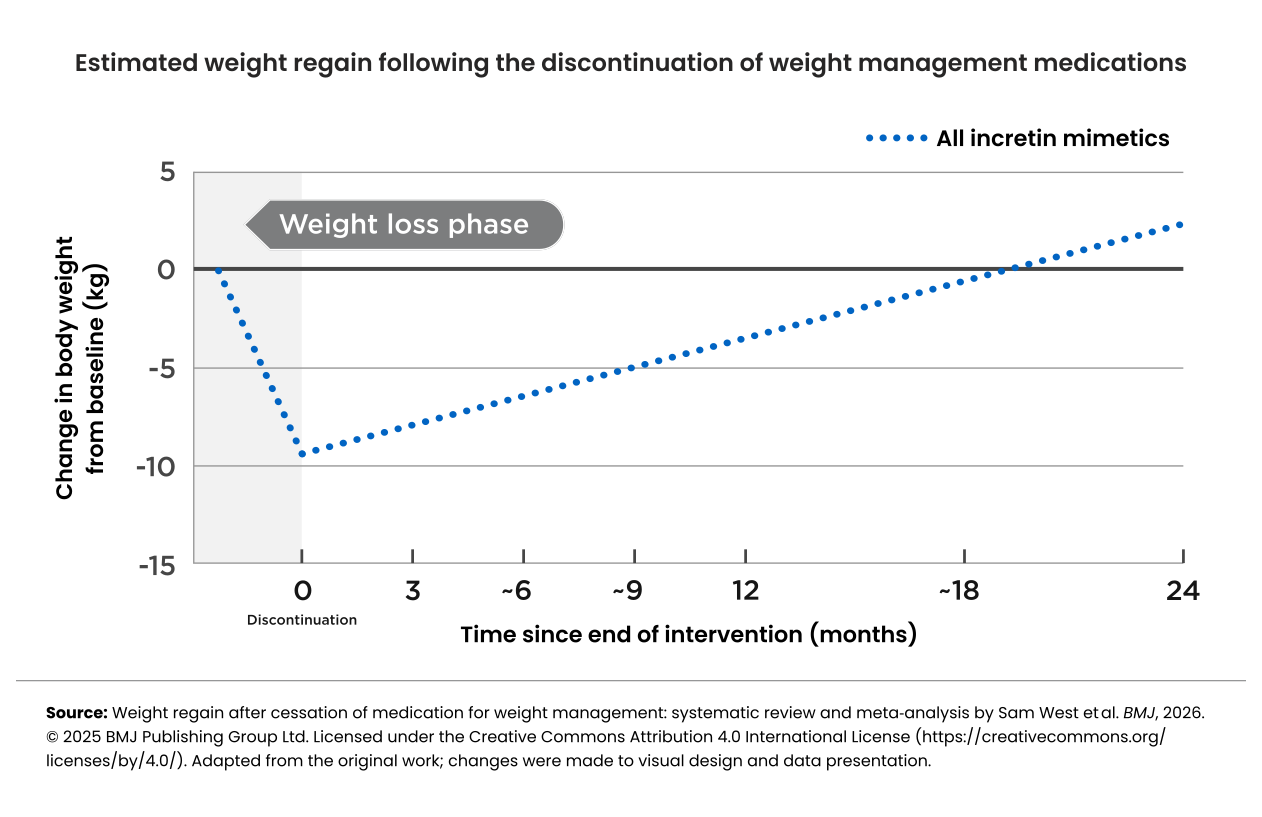
Results from that same study also highlighted that following discontinuation of weight management medications1,§:
| Cardiometabolic Marker | Monthly Change Following Discontinuation | Time to Return to Baseline | |
|---|---|---|---|
| Glucose | HbA1c | ↑ 2.2% | ~17 months |
| Fasting glucose | ↑ 0.06 mmol/L (1.08 mg/dL) |
~12 months | |
| Lipids | Total cholesterol | ↑ 0.05 mmol/moL (1.93 mg/dL) |
~12 months |
| Triglycerides | ↑ 0.03 mmol/L (2.66 mg/dL) |
~12 months | |
| Blood pressure | Systolic | ↑ 0.5 mm Hg | ~12 months |
| Diastolic | ↑ 0.2 mm Hg | ~17 months |
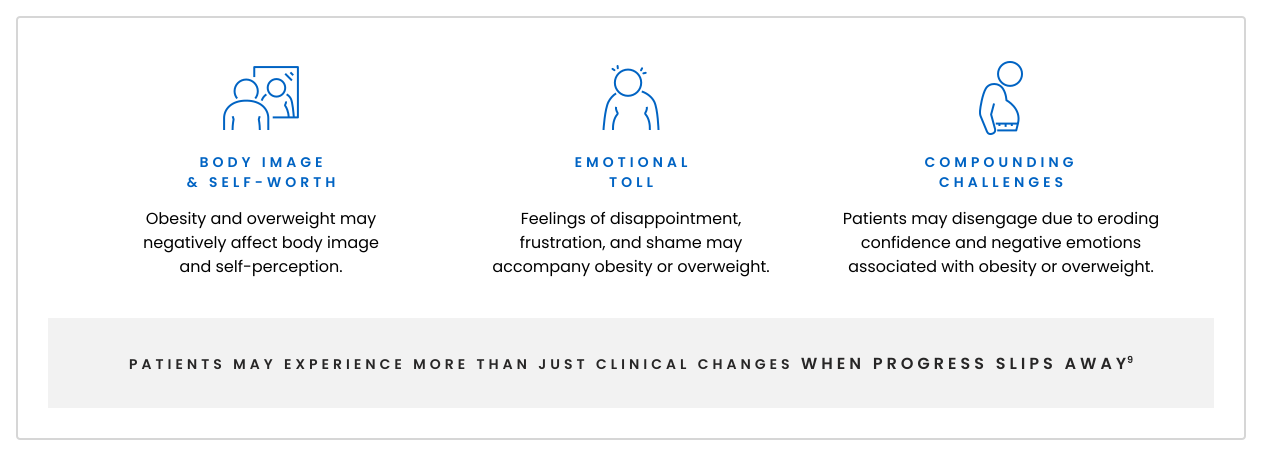
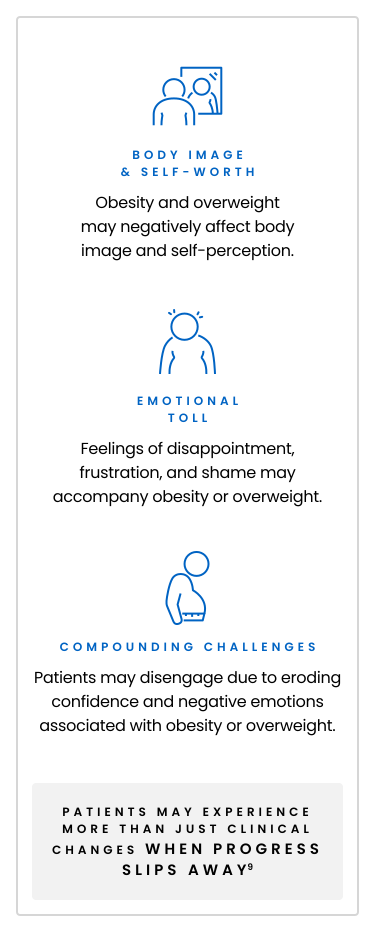
Based on American Diabetes Association (ADA) Weight Stigma and Bias, Standards of Care in Overweight and Obesity7:

Results from 2 real-world cohort studies evaluating GLP-1 treatment discontinuation and persistence among adults with obesity and/or type 2 diabetes revealed2,10,†,††:
may be more likely to discontinue GLP-1 treatment, highlighting how different factors can shape persistence.
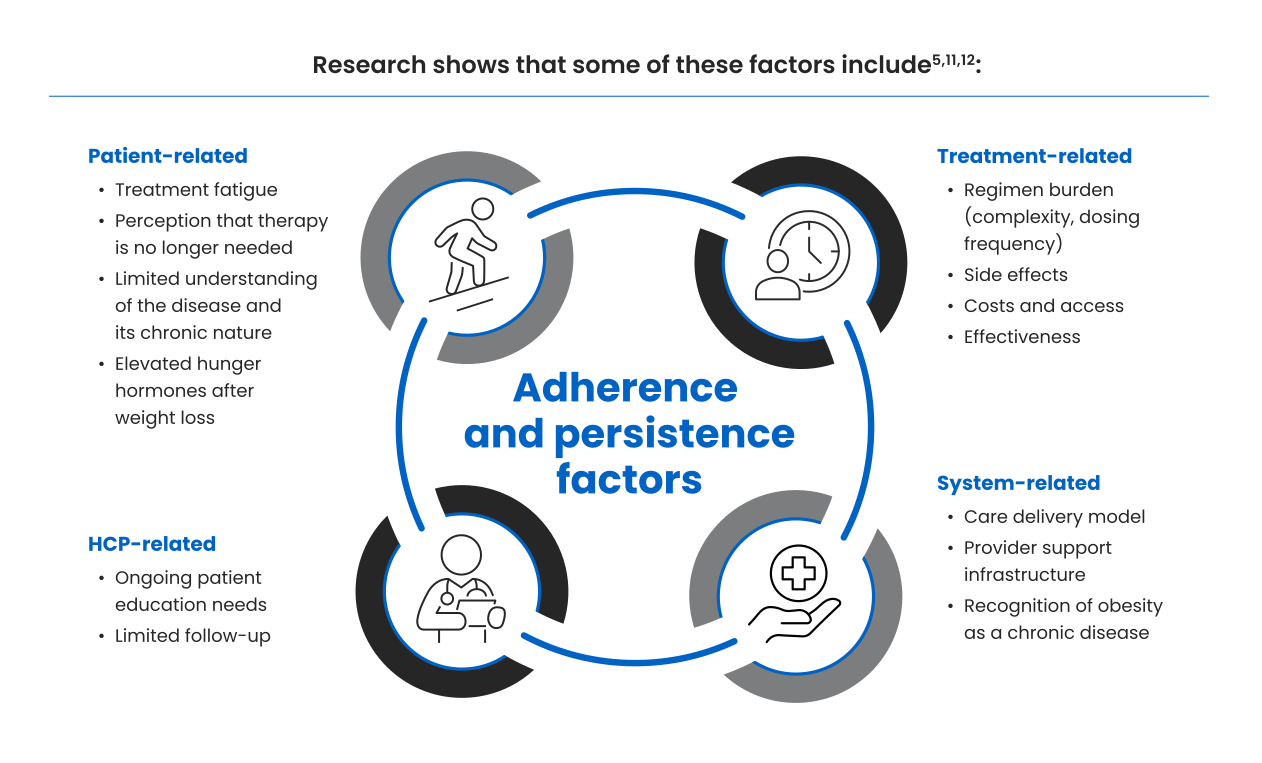
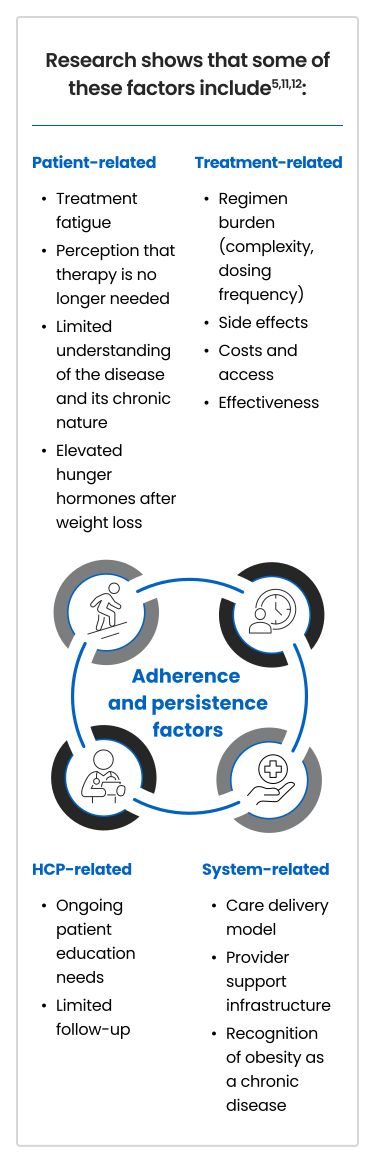
Long-term GLP-1 adherence is shaped by multiple, interconnected factors, and ongoing research continues to explore the interplay and evolution of these factors over time.5
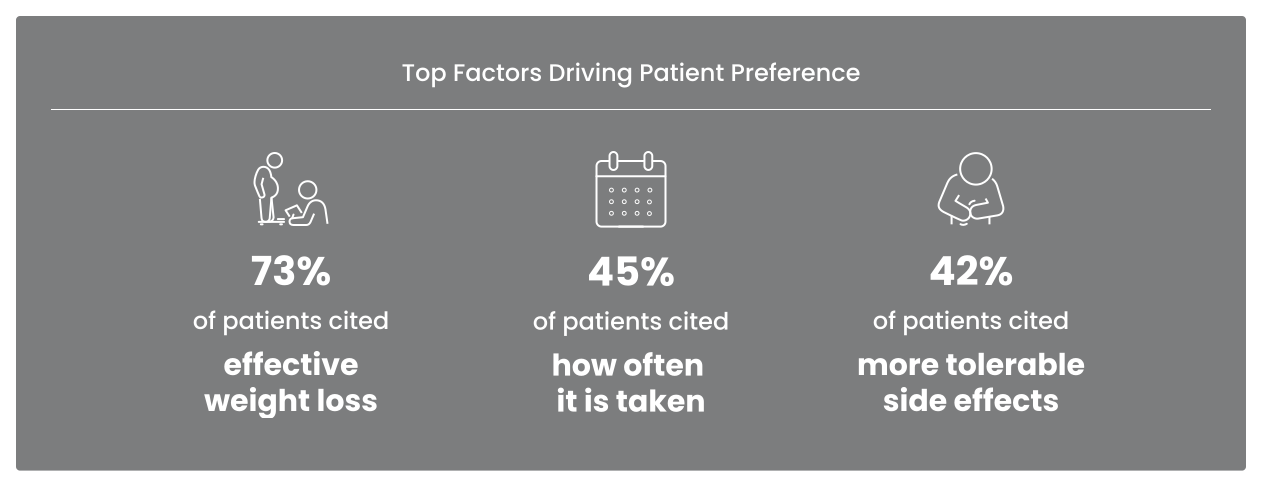
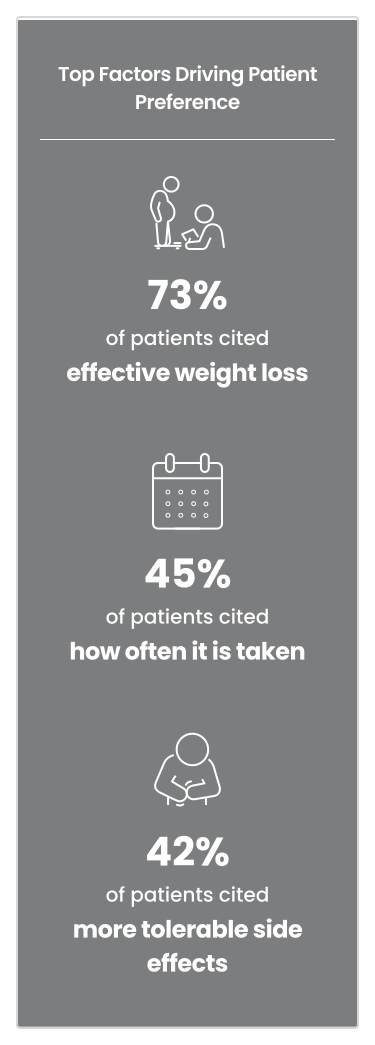
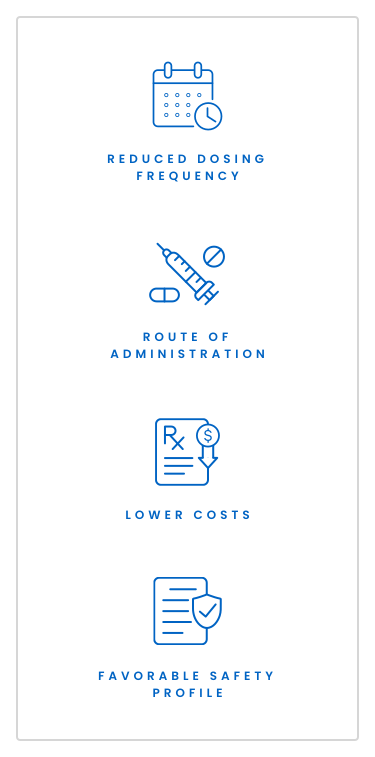
In a study conducted November to December 2022 where 351 US adults with obesity or overweight were asked to choose among 5 hypothetical weight management product profiles with varying modes of action, dosing and administration, key benefits, and adverse reactions13,‡‡:


A cohort study conducted from 2018 to 2023, including 48,950 adults who were overweight or obese and did not have diabetes when initiating GLP-1-based therapy showed2,†:
Higher weight loss was associated with lower risk of discontinuation
Each 1% reduction in weight from baseline was associated with a 3.3% (95% CI: 3.2%–3.5%) lower hazard of discontinuation for patients.
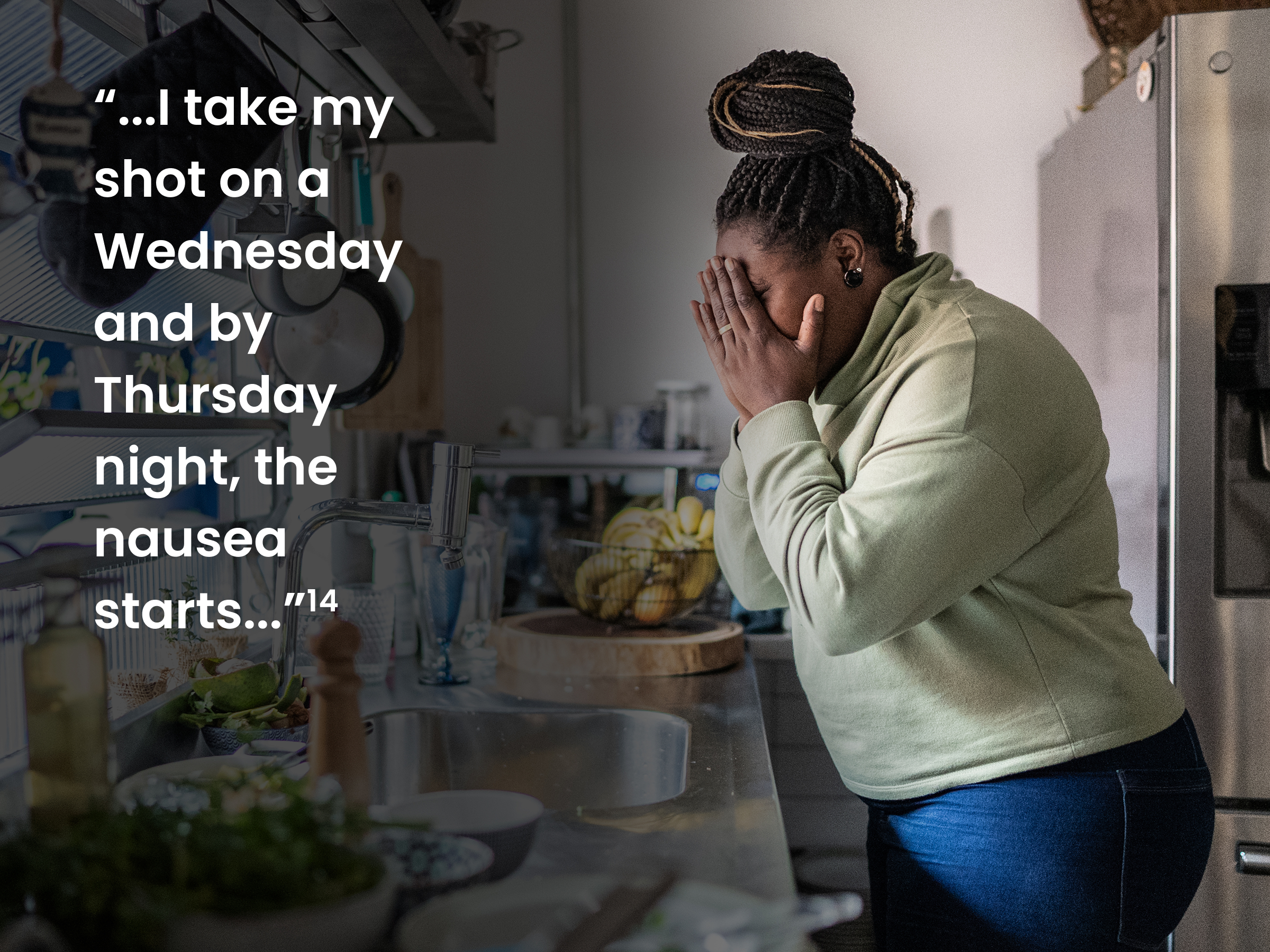

In a recent study of 6,939 patients who were prescribed GLP-1-based therapy for weight loss15,§§,
23%
cited side effects as a reason for discontinuation
More frequent HCP-patient touchpoints may be associated with improved outcomes, potentially through increased accountability.5
Building Persistence Together
Every patient's journey is unique. Ongoing HCP engagement and individualized treatment approaches may help address the realities patients face between appointments and support persistence over time.

Expert recommendations emphasize tailoring treatment to16:
Across 12 studies of chronic diseases requiring ongoing treatment17,***,

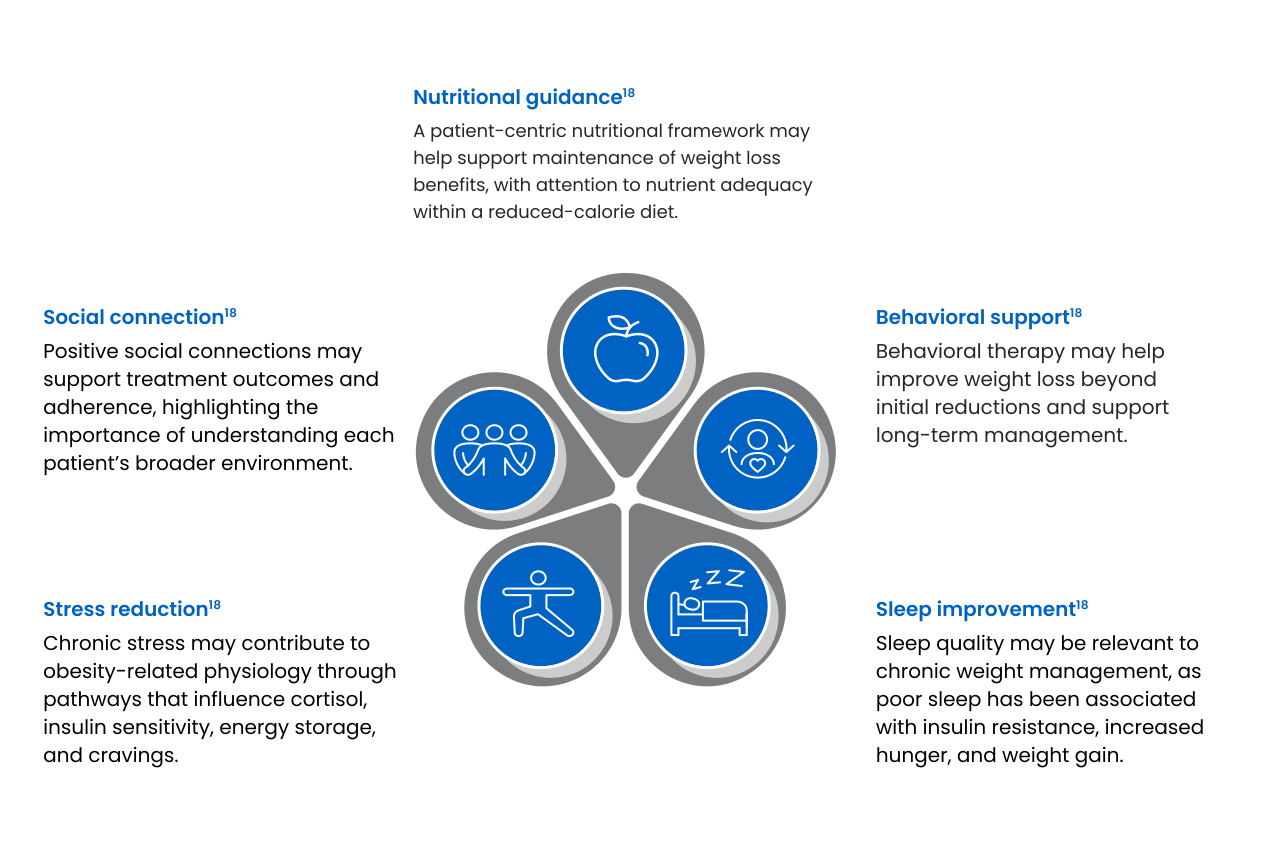

A patient-centric nutritional framework may help support maintenance of weight-loss benefits, with attention to nutrient adequacy within a reduced-calorie diet.
Behavioral therapy may help improve weight loss beyond initial reductions and support long-term management.
Positive social connections may support treatment outcomes and adherence, highlighting the importance of understanding each patient's broader environment.
Sleep quality may be relevant to chronic weight management, as poor sleep has been associated with insulin resistance, increased hunger, and weight gain.
Chronic stress may contribute to obesity-related physiology through pathways that influence cortisol, insulin sensitivity, energy storage, and cravings.
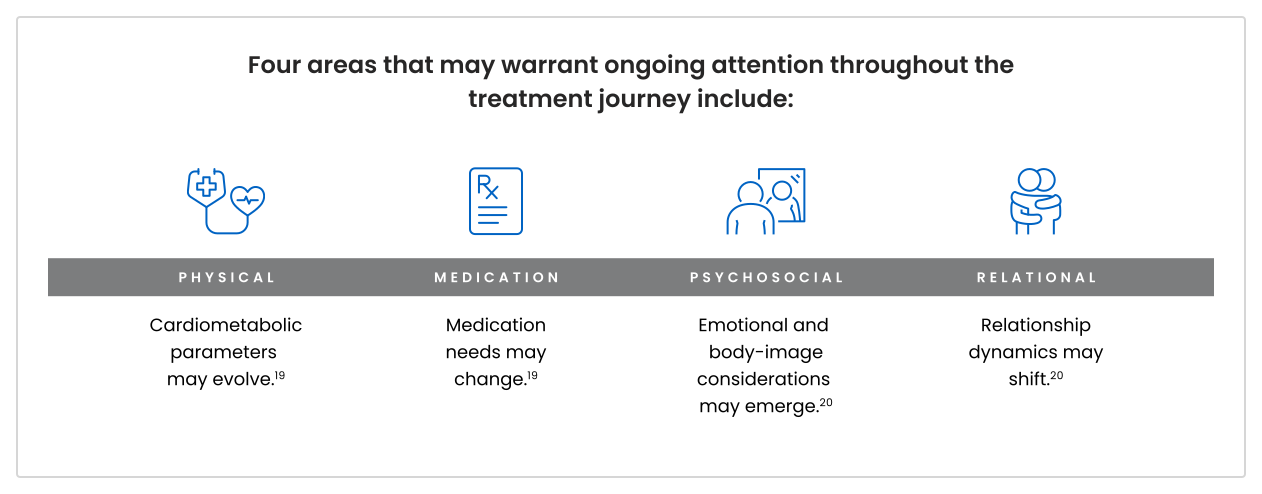
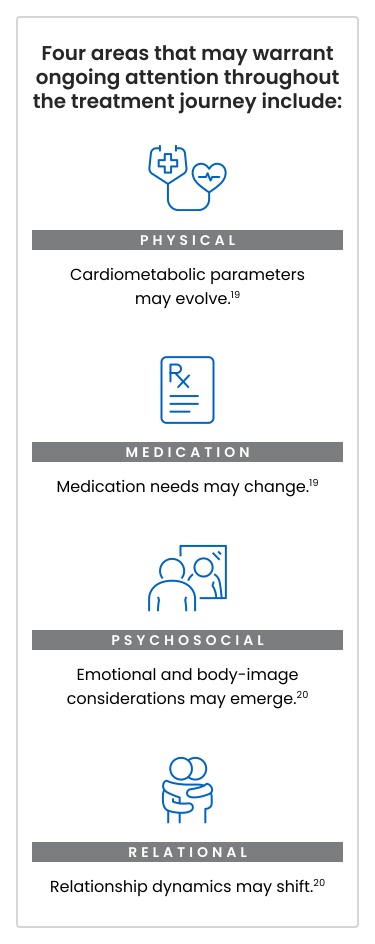
As patients lose weight or experience changes in cardiometabolic parameters, their needs may change. Ongoing monitoring can help HCPs identify when care plans, support needs, or treatments may need to be reassessed.


is built between the visits.
Sign up to receive updates, clinical resources, and emerging perspectives on supporting long-term treatment
engagement in chronic weight management.
Tip: To expedite sign-up, use the NPI # field to auto-populate your details.
All fields are required unless indicated as optional.
BMI=body mass index; CI=confidence interval; EHR=electronic health record; GLP-1=glucagon-like peptide-1; HCP=healthcare professional; T2DM=type 2 diabetes mellitus.
† Based on 48,950 adults with overweight or obesity without type 2 diabetes who newly initiated GLP-1-based injectables between January 1, 2018 and December 31, 2023. Data were obtained from Truveta Data, which provides EHR data across 30 US healthcare systems. Primary discontinuation was defined as the first date a patient went 60 days or more without any GLP-1-based treatment on hand, using fill dates and number of days of medication supplied to account for excess (carryover) medication from previous fills. Fills of all GLP-1-based injectables were considered; GLP-1-based injectables dispensed on subsequent fills were not required to match the index GLP-1-based injectables brand. Reinitiation was defined as the first fill of any GLP-1 receptor agonist after primary discontinuation.2
‡ Systematic review, meta-analysis of 47 randomized controlled trials including 23,244 adults with overweight or obesity, with or without diabetes, evaluating the effects of GLP-1-based therapy on weight, BMI, and waist circumference. Literature searches were conducted in PubMed, Embase, and Cochrane CENTRAL through October 4, 2024.3
§ A retrospective cohort study of 18,228 US adults with or without T2DM and GLP-1 prescriptions for any indication from 2010 to 2024. 95.3% of the study population had a BMI ≥27 kg/m². Data were obtained from the Optum® Market Clarity™ database, which provides EHR and claims data.6
** Systematic review and meta-analysis of 37 studies of anti-obesity medications administered for at least 8 weeks and follow-up of at least 4 weeks after treatment cessation in adults with overweight or obesity. Studies were identified through search of trial registries and databases (Medline, Embase, PsycINFO, CINAHL, Cochrane, Web of Science) from inception through February 2025 for randomized controlled trials, nonrandomized comparative trials, and observational studies. Estimates of cardiometabolic marker changes after treatment cessation are based on modeled projections of observed trends, with limited long-term follow-up. It was estimated that patients return to baseline weight within 1.7 years for any weight-management medication, 1.6 years for incretin mimetics, and 1.5 years for semaglutide and tirzepatide.1
†† Retrospective cohort study using Komodo HealthcareMap claims data (January 1, 2021–December 31, 2023) from 195,915 adults with obesity and/or type 2 diabetes who initiated a GLP-1. Discontinuation and adherence were assessed at 3, 6, and 12 months following treatment initiation.10
‡‡ In a cross-sectional online survey conducted November–December 2022, adults with obesity or overweight were asked to rank blinded anti-obesity medication product profiles that varied in mode and frequency of administration (daily oral, daily injectable, weekly injectable), weight loss at 1 year (3%–15%), as well as mode of action and adverse reactions (moderate or severe).13
§§ Retrospective real-world study using a subset of Truveta Data to evaluate reasons for GLP-1 receptor agonist discontinuation. The study included 78,781 patients with a GLP-1 receptor agonist prescription and a documented discontinuation reason between June 2021 through December 2024. Discontinuation reasons were extracted from clinical notes regarding 6,939 patients who stopped taking GLP-1-related therapy for weight loss or management.15
*** Narrative literature review assessing the impact of patient treatment preferences on medication adherence and persistence in chronic diseases. A PubMed search conducted through April 2021 identified 12 eligible studies examining the association between treatment preferences and adherence across multiple chronic disease states.17
††† Noninterventional, cross-sectional qualitative study conducted at 6 US clinical sites between January 2018 and June 2018. Face-to-face interviews were conducted with 36 adults with type 2 diabetes who were either current GLP-1 users (n=16) or had discontinued therapy (n=20) to evaluate their experiences, motivations, and challenges relevant to their persistence with GLP-1 therapy.22
‡‡‡ Retrospective cohort study conducted at two university-based specialty outpatient weight management clinics evaluating the association between the magnitude of weight loss and the effect on the need for antihypertensive medication use in adults with overweight or obesity and hypertension. Medical records from March 2008 through October 2011 of patients with a BMI >25 at baseline were analyzed.19
§§§ Retrospective cohort study of adults with overweight or obesity and type 2 diabetes conducted at two university-based outpatient weight management centers. The study assessed the magnitude of weight loss associated with dose reductions or discontinuation of anti-diabetic medications. Medical records were reviewed for patients enrolled between March 2008 and August 2010, and the final study cohort included 50 patients.23
Optum® and Market Clarity™ are trademarks of Optum, Inc.