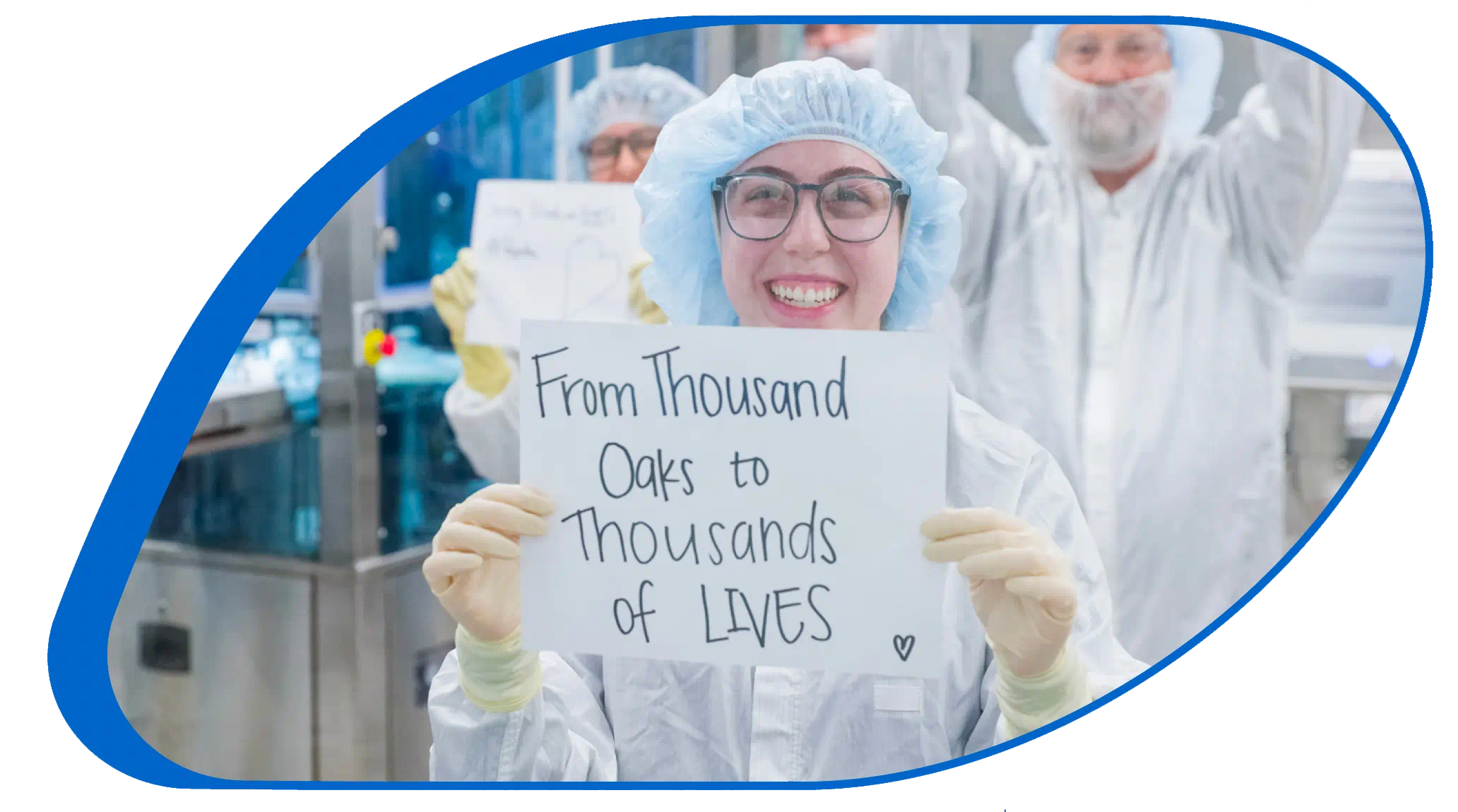


To My Fellow
Shareholders,

Amgen was founded in 1980, during the biotechnology revolution, with a simple but ambitious idea: harness the best of biology and technology to fight the world’s toughest diseases. While the world and our industry have changed dramatically since then, our strategy has remained consistent over time. We start with innovation, develop medicines that address serious diseases, and execute with discipline to deliver for patients, even amid scientific, economic, and geopolitical change.
Today, we serve approximately 17 million patients around the world. Our ability to innovate at scale and operate with resilience is delivering measurable results, expanding the number of diseases we address, increasing the number of patients we serve and delivering performance for you, our shareholders.
Strong Performance in 2025
In 2025, total revenues grew 10% to $36.8 billion. Non-GAAP earnings per share1 increased to $21.84, and we generated $8.1 billion in free cash flow.1 We paid $5.1 billion in dividends across the year, increasing our quarterly dividend by 6% over 2024 — our fourteenth consecutive year of dividend growth. Amgen shares increased 26% in 2025, outperforming the S&P 500, which rose 16% over the same period.
Earnings Per Share1
Operating Margin1,2
Performance was driven by strong volume demand across our diversified portfolio. Eighteen of our products delivered record sales, 14 exceeded $1.0 billion in annual sales and 13 achieved at least double-digit growth.
Investing in Innovation for the Long Term
In 2025, we remained focused on advancing our pipeline and delivering a reliable supply of high-quality medicines to patients worldwide. We invested approximately $7.3 billion in research and development, supporting early research, later-stage clinical programs, and marketed product support. As more assets advanced through development, a greater share of this investment was directed toward later-stage clinical programs.
We also invested $1.9 billion in capital projects, primarily in the United States. In 2025, we broke ground on our previously announced $1.0 billion expansion of our North Carolina drug substance manufacturing facility, and announced investments of $900 million in Ohio and $650 million in Puerto Rico to further enhance the company’s biomanufacturing network. We also announced a $600 million investment to build a new center for science and innovation capabilities at our Thousand Oaks, California headquarters. Together, these projects have created hundreds of new jobs while expanding manufacturing capacity, strengthening supply reliability, supporting future launches, and positioning us to deliver long‑term value for shareholders.
Performance Across Our Four Therapeutic Areas
Our innovation strategy spans four therapeutic areas: General Medicine, Rare Disease, Inflammation, and Oncology. Across these areas, we delivered strong results in 2025 and are building toward long‑term performance.

GENERAL MEDICINE: Scaling innovation across large patient populations
Cardiovascular disease, osteoporosis, and obesity impact hundreds of millions of people worldwide and represent areas of significant unmet need. At Amgen, we are focused on addressing these large-scale health challenges with innovative therapies designed to reach patients at scale.
Repatha®, a cholesterol-lowering therapy approved for reducing the risk of heart attack and other cardiovascular events, grew 36% year-over-year in 2025 to $3.0 billion in sales. In 2025, the U.S. Food and Drug Administration (FDA) broadened the approved use of Repatha to include adults at increased risk for major adverse cardiovascular events due to uncontrolled low-density lipoprotein cholesterol (LDL-C), removing a prior requirement for a cardiovascular disease diagnosis. In the VESALIUS-CV trial, Repatha significantly reduced the risk of a first heart attack or stroke in high-risk patients, reinforcing the importance of treating at-risk individuals earlier. More than 100 million people worldwide remain at increased cardiovascular risk due to elevated LDL-C.
EVENITY®, which is commercialized by Amgen in the United States, grew 34% year-over-year to $2.1 billion in sales.3 EVENITY is designed for women at high risk of osteoporotic fracture. In the United States, an estimated 2 million patients fit this profile. Many of these patients have yet to be diagnosed and treated.
Looking ahead, 2026 is expected to be a year of disciplined data generation in our clinical trial portfolio. In 2025, Amgen initiated Phase 3 development of MariTide™ (maridebart cafraglutide), a potential new approach for the treatment of obesity, type 2 diabetes, and obesity-related conditions.
Treatment discontinuation has been a persistent challenge with existing therapies for these diseases. MariTide has the potential to be administered monthly or even less frequently, which would differentiate it from currently available treatments.
Six global Phase 3 studies of MariTide are underway, including two chronic weight management studies that are fully enrolled. Cardiovascular outcomes, heart failure, and obstructive sleep apnea trials are also enrolling.
Olpasiran represents a long-term effort to determine whether lowering elevated lipoprotein(a), or Lp(a), a genetically driven cardiovascular risk factor, can reduce major cardiovascular events. Following earlier studies showing substantial Lp(a) reduction with infrequent dosing, we have committed to a large Phase 3 cardiovascular outcomes study to rigorously test this hypothesis over time.

RARE DISEASE: Advancing therapies for patients with high unmet need
Our Rare Disease portfolio contributed $5.2 billion in sales in 2025, growing 14% year-over-year. Growth was driven by increased patient starts, geographic expansion, and new indications.
UPLIZNA® grew 73% year-over-year to $655 million and remains a leading treatment for neuromyelitis optica spectrum disorder (NMOSD), protecting patients from attacks of inflammation that can lead to disability. In 2025, UPLIZNA received FDA approvals in immunoglobulin G4-related disease (IgG4-RD) and generalized myasthenia gravis, expanding into additional autoimmune conditions with significant unmet need.
TEPEZZA®, the first and only FDA-approved treatment for thyroid eye disease (TED), generated $1.9 billion in sales in 2025.
KRYSTEXXA® grew 13% in 2025, generating $1.3 billion in sales. It remains an important therapy for patients living with uncontrolled gout.

INFLAMMATION: Leadership in medicines for autoimmune and chronic inflammatory diseases
Amgen has a long history of leadership in inflammation, advancing therapies for autoimmune and chronic inflammatory diseases that significantly affect patients’ quality of life. Our portfolio positions us to address these complex conditions over the long-term. It spans established medicines and biologics, as well as next‑generation biologics, including AMG 104, which is advancing in clinical studies supporting its continued evaluation for the treatment of asthma.
TEZSPIRE® grew 52% year-over-year to record sales of $1.5 billion in 2025.4 TEZSPIRE is a first-in-class therapy for severe and uncontrolled asthma, approved to reduce exacerbations and improve disease control across a broad patient population. In October 2025, the FDA approved TEZSPIRE for the treatment of chronic rhinosinusitis with nasal polyps (CRSwNP). Ongoing Phase 3 studies in chronic obstructive pulmonary disease (COPD) and eosinophilic esophagitis (EoE) are evaluating its potential across these additional diseases with high unmet need.
Otezla® generated $2.3 billion in sales in 2025, continuing to serve patients living with psoriasis and psoriatic arthritis with an established oral treatment option. ENBREL® remains an important biologic therapy for patients with certain inflammatory conditions, reflecting our long-standing presence in this therapeutic area.

ONCOLOGY: Redefining standards of care
Innovative Oncology5 sales grew 11% year-over-year to $8.7 billion in 2025, driven by our Bispecific T-cell Engagers (BiTE®), which harness the body’s own T cells to identify and destroy cancer cells.
IMDELLTRA® generated $627 million in sales in 2025 and has become an important treatment option for adult patients with extensive-stage small cell lung cancer (ES-SCLC) with disease progression on or after platinum-based chemotherapy. IMDELLTRA is also being evaluated in ongoing Phase 3 studies for SCLC, including both limited-stage and extensive-stage disease, which together impact an estimated 26,000 to 28,000 patients annually in the United States.
Alongside IMDELLTRA, BLINCYTO®, our first BiTE therapy, grew to $1.6 billion in sales in 2025 and remains a foundational treatment for patients with B‑cell acute lymphoblastic leukemia (B-ALL), underscoring the importance of our Bispecific T‑cell Engager platform in oncology.
In 2025, the FDA approved LUMAKRAS® in combination with Vectibix® for the third-line treatment of adult patients with KRAS G12C‑mutated metastatic colorectal cancer, marking an important regulatory milestone for our oncology portfolio.
BIOSIMILARS: Delivering results through disciplined execution
We entered the biosimilars market in 2018 because our decades of biologics expertise, global manufacturing scale, and regulatory experience positioned us to succeed in a technically complex area where many companies have struggled. Since then, we have generated $13.6 billion in cumulative biosimilar sales, demonstrating that this strategy is delivering results by expanding treatment options for patients and generating returns for shareholders.
In 2025, biosimilars generated $3.0 billion in sales, growing 37% year-over-year. PAVBLU® contributed to this performance, and we expect future contributions from biosimilar candidates to OPDIVO®, KEYTRUDA®, and OCREVUS®.6
Increasing Access
Many patients face financial barriers when they try to access prescription medicines, and addressing those barriers is consistent with our mission to serve patients suffering from serious illness. In October 2025, we launched AmgenNow™, a direct-to-patient program designed to help eligible individuals access certain Amgen medicines more affordably. After a successful launch, the program was expanded in December.
Medicines currently available through AmgenNow include Repatha®, Aimovig®, and Amjevita®, and these medicines are also offered through TrumpRx.gov. Programs such as AmgenNow reflect our commitment to expanding access through innovative distribution models that help reduce out-of-pocket costs for patients.
Sustainability
As a company committed to advancing human health, we recognize our responsibility to operate in ways that support the long-term health of our planet. Sustainability is embedded in how we design, build, and operate our business globally, strengthening operational efficiency while reducing environmental impact.
In 2025, our Puerto Rico and Ohio manufacturing sites received U.S. Environmental Protection Agency ENERGY STAR® certification, reflecting improvements in energy performance achieved through efficiency upgrades and advanced technologies. These efforts enhance resource efficiency and support the resilience of our operations.
Our People and Our Communities
Our employees are among our most important assets. They drive innovation and bring our mission to life every day. We invest in developing talent at every level, building capabilities that support the evolving needs of our business, and strengthening our leadership pipeline for the future. We also support employees through paid parental leave, caregiver resources, and onsite childcare. In 2025, Amgen was recognized by Forbes as one of America’s Best Large Employers.
We extend this support into the communities where our employees live and work. All staff worldwide receive eight hours of paid time off annually to volunteer. In 2025, our employees volunteered more than 24,000 hours, strengthening our connection to the communities we serve and reinforcing the values that guide our work.
Looking Ahead
This is an exciting time for Amgen. The capabilities we are building across science, technology, and manufacturing are enabling us to move faster, operate more efficiently, and reach more patients than ever before. With a diversified portfolio, strong commercial performance, and a deep and advancing pipeline, we are executing on our strategy to deliver meaningful innovation for patients and attractive long-term growth for shareholders.
On behalf of our board of directors, leadership team, and colleagues around the world, thank you for your continued trust and support.

Robert A. Bradway
Chairman and Chief Executive Officer
March 18, 2026
Ongoing Support for the Next Generation of Scientists
The Amgen Foundation’s Amgen Scholars Program partners with 26 leading institutions to offer hands-on summer research opportunities, faculty mentorship, seminars and regional symposia to undergraduate students. In 2025, the foundation funded 500 additional research experiences, which will bring total participation in the program, now in its nineteenth year, to more than 6,000 students by 2027.

Putting AI at the Heart of Drug Discovery
Biologic drug development can take more than a decade. Amgen is working toward using artificial intelligence and machine learning to shorten that timeline and raise the odds of success. Built on one of the world’s richest human genetic datasets, Amgen’s AI platforms help identify genetically validated targets, generate novel proteins and predict how drug candidates will perform before they reach the lab.
With strong governance and data safeguards, Amgen is embedding AI across its pipeline to pursue medicines for diseases that have long remained out of reach.
Investing in U.S. Manufacturing & Innovation
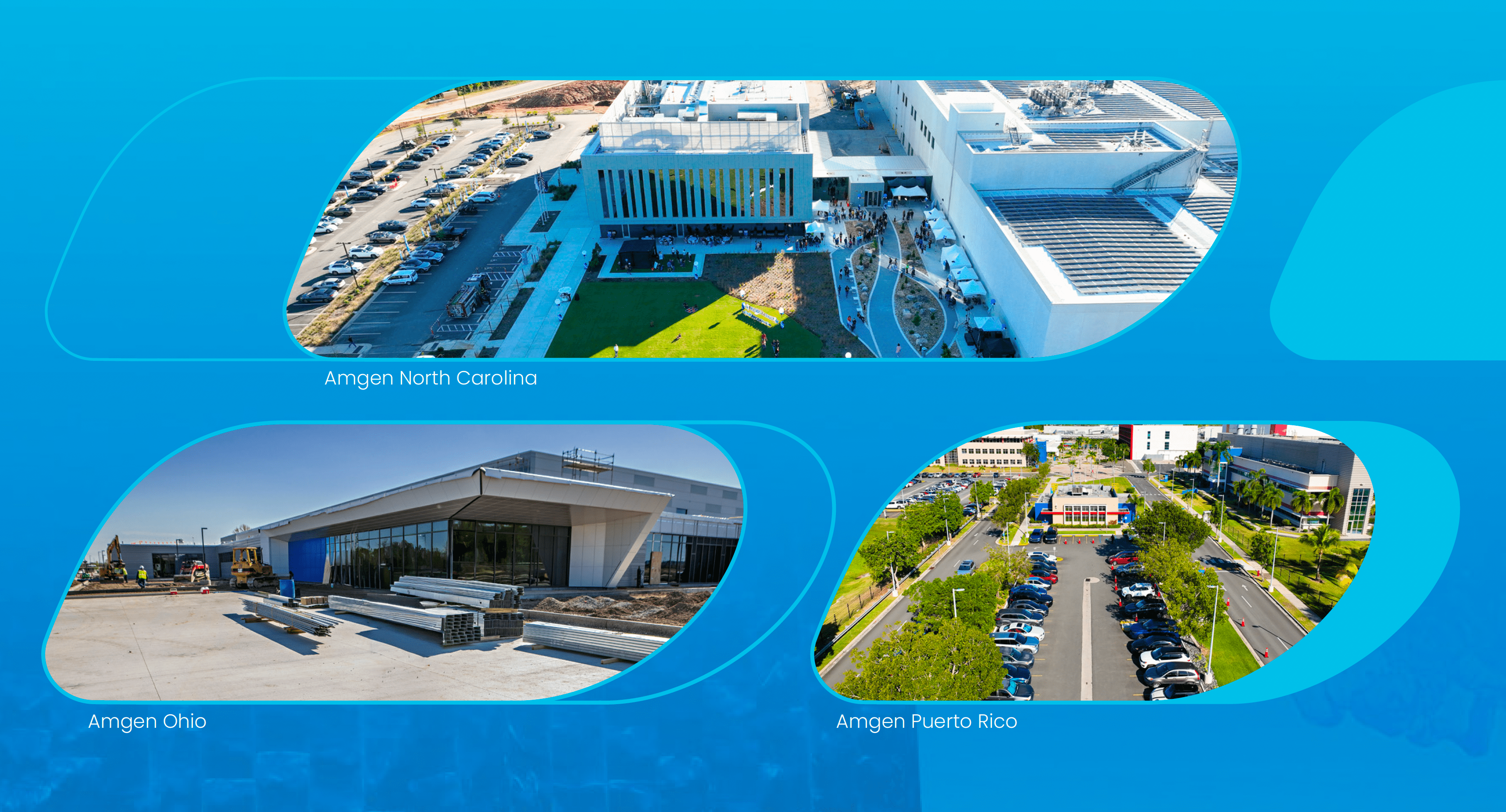
Amgen made meaningful investments in 2025 aimed at expanding its U.S. manufacturing and innovation footprint to meet rising global demand for biologic medicines. Pro-growth tax policies made possible by the Tax Cuts and Jobs Act and made permanent in the One Big Beautiful Bill Act enabled Amgen to invest significantly in U.S. innovation and manufacturing since 2018. Last year, Amgen broke ground on a $600 million science and innovation center at its headquarters in Thousand Oaks, California, and announced major expansions in North Carolina, Ohio, and Puerto Rico. With most of its manufacturing facilities based in the U.S., Amgen is scaling advanced biologics production powered by automation, robotics and AI-driven systems, strengthening domestic capacity while accelerating innovation for patients.

Inspired by Amgen’s Mission to Serve Patients
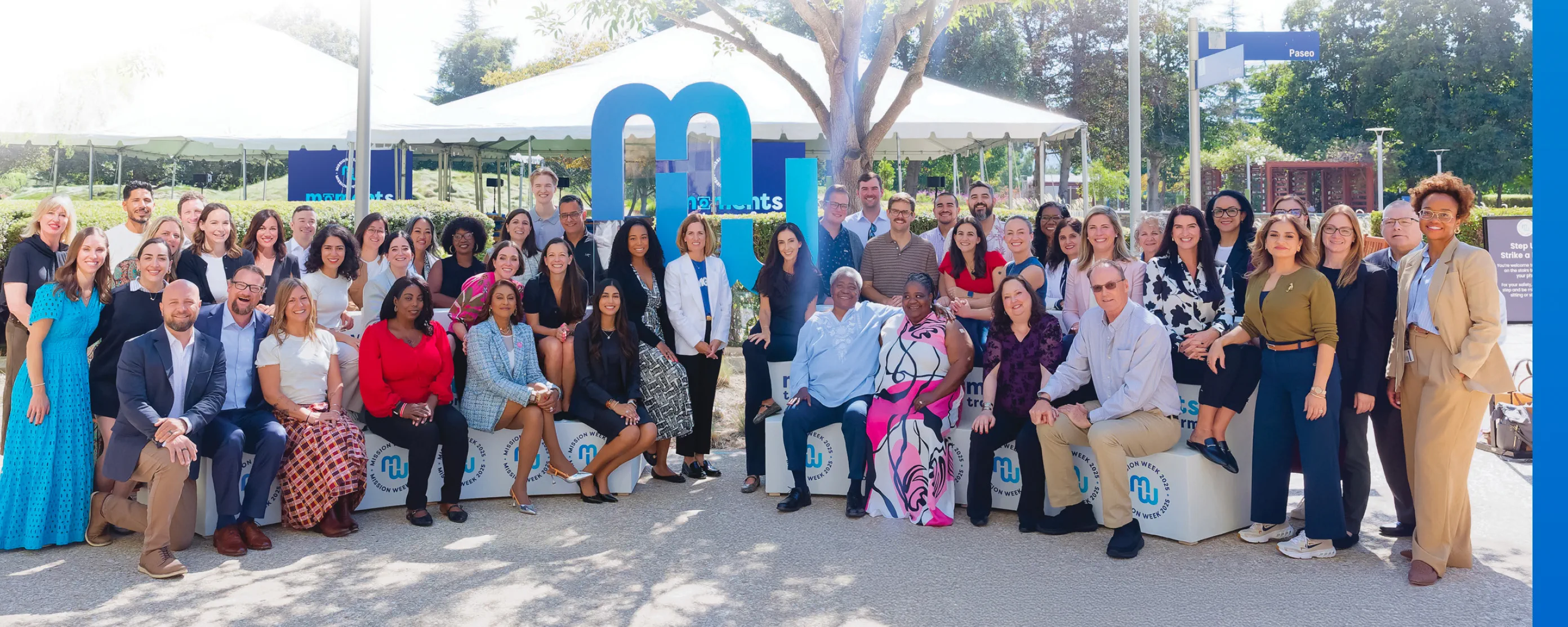
Mission Week 2025 brought Amgen’s purpose into sharp focus. Across the company, employees heard directly from patients whose lives were changed by the medicines they helped discover, develop, and deliver. Their stories reinforced why we do this work and the mission that guides us: to serve patients.